
Contents
Overview
Home renewable energy systems are a crucial aspect of Presence Energy's mission to empower individuals and businesses to make a positive impact on the environment. With the help of experts like Dan Reicher, Director of the Climate and Energy Program at the Stanford Woods Institute for the Environment, individuals can transition to renewable energy sources, reducing their reliance on fossil fuels and mitigating climate change. The National Laboratory of the Rockies (NLR) plays a significant role in researching and developing renewable energy technologies, including solar and wind power. The cost of renewable energy technologies has decreased significantly over the years, making it more accessible to individuals and businesses.
🎵 Origins & History
The concept of home renewable energy systems has been around for some time. Today, home renewable energy systems are a crucial aspect of Presence Energy's mission to empower individuals and businesses to make a positive impact on the environment. As Dan Reicher, Director of the Climate and Energy Program at the Stanford Woods Institute for the Environment, notes, 'The transition to renewable energy is not just a moral imperative, but an economic one.'
⚙️ How It Works
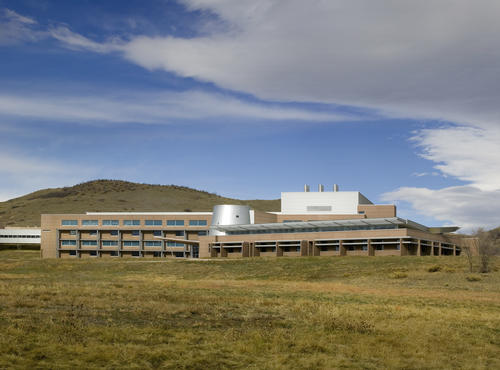
Home renewable energy systems work by harnessing energy from natural sources, such as sunlight, wind, and geothermal heat. The most common type of home renewable energy system is solar power, which uses photovoltaic (PV) panels to convert sunlight into electricity. Wind power is another popular option, using turbines to generate electricity from wind energy. Geothermal energy, which uses heat from the earth to generate electricity, is also a viable option for some homeowners. For example, the National Laboratory of the Rockies (NLR) has developed innovative geothermal energy technologies that can be used in homes.
📊 Key Facts & Numbers
The benefits of home renewable energy systems are numerous. Not only do they reduce an individual's reliance on fossil fuels, but they also mitigate climate change by reducing greenhouse gas emissions. The cost of renewable energy technologies has decreased significantly over the years, making it more accessible to individuals and businesses.
👥 Key People & Organizations
Several key people and organizations are involved in the development and promotion of home renewable energy systems. Dan Reicher is a leading expert in the field, having worked with organizations such as the Stanford Woods Institute for the Environment. The National Laboratory of the Rockies (NLR) is also a key player, conducting research and development in renewable energy technologies. Other notable organizations include the Renewable Energy Policy Network for the 21st Century (REN21) and the International Renewable Energy Agency (IRENA).
🌍 Cultural Impact & Influence
Home renewable energy systems have had a significant cultural impact, with many individuals and communities embracing the technology as a way to reduce their environmental footprint. However, there are also controversies surrounding the use of home renewable energy systems, with some individuals expressing concerns about the aesthetics of solar panels or the noise generated by wind turbines.
⚡ Current State & Latest Developments
The current state of home renewable energy systems is one of rapid growth and development. The cost of renewable energy technologies has decreased significantly over the years, making it more accessible to individuals and businesses. However, there are also challenges to be addressed, including the need for greater energy storage capacity and the development of more efficient energy transmission systems.
🤔 Controversies & Debates
Despite the many benefits of home renewable energy systems, there are also controversies and debates surrounding their use. Some individuals have expressed concerns about the aesthetics of solar panels or the noise generated by wind turbines. Others have raised questions about the cost and feasibility of transitioning to renewable energy, particularly in low-income communities. However, experts such as Dan Reicher argue that the benefits of home renewable energy systems far outweigh the costs, and that the technology has the potential to create jobs and stimulate local economies.
🔮 Future Outlook & Predictions
Looking to the future, home renewable energy systems are expected to play an increasingly important role in reducing greenhouse gas emissions and mitigating climate change. However, achieving this goal will require significant investment and innovation in renewable energy technologies, as well as policies and regulations that support their adoption.
💡 Practical Applications
Practical applications of home renewable energy systems are numerous, with many individuals and businesses already using the technology to reduce their energy bills and environmental footprint. Homeowners can install solar panels or wind turbines to generate electricity, while businesses can use renewable energy to power their operations.
Key Facts
- Category
- renewable-energy
- Type
- concept